Age: preschooler

The Child Psychology Secret Every Stressed Parent Needs to Hear – why you don’t need to be the perfect parent

A messy toddler covered in food sitting in a high chair with a white towel on their head. The bottom of the high chair tray features the website text "baby-brain.co.uk" written in a small font.
This is what Winnicott’s ‘good enough parenting’ looks like in practice. Imperfect, messy, and exactly what they need to build resilience.”

Every day, social media serves us a curated buffet of parenting perfection: immaculate playrooms, organic meal-prep, and parents who seemingly never lose their temper. It’s no wonder so many of us struggle with a constant, nagging sense of parenting guilt, feeling like we constantly fall short of that impossible ideal.

As a psychologist, I know the textbook theory behind child development. But as a parent of three young children, I also know the chaotic reality of the morning rush when someone has spilled milk on the rug, someone else refuses to wear shoes, and the clock is ticking.

When the household chaos peaks and that familiar anxiety creeps in, here is the child psychology parenting advice I lean on: Your children do not need a perfect parent. In fact, striving to be one might actually hold them back.

***

When we look at how to overcome parental guilt, we first have to examine what we are expecting of ourselves. We often feel like we are failing if we aren’t perfectly attentive, endlessly patient, and instantly responsive 100% of the time. But developmental science tells a completely different story.

Back in the 1950s, a British paediatrician and psychoanalyst named Donald Winnicott introduced a liberating concept that every modern family needs to hear: The “Good Enough” Parent.

Winnicott noticed that while tiny infants need fast, near-perfect responsiveness, older babies and toddlers actually benefit when their parents “fail” them in small, manageable ways.

What do these everyday “failures” look like in a busy home?

  • Making a toddler wait two minutes for their milk while you finish pouring your tea.
  • Misunderstanding a tantrum for a moment before realising they are actually just exhausted.
  • Losing your patience, taking a breath, and apologizing to them afterward.

***

When we don’t cater to every single whim instantly, something incredible happens: we give our children a safe, micro-dose of reality.

If a parent acts as a completely perfect parent, protecting the child from every minor discomfort, the child never has to adapt. But when a “good enough” parent expects a child to wait their turn or cope with a minor disappointment, the child learns to navigate frustration. They learn to self-soothe, problem-solve, and realise that a temporary delay isn’t a catastrophe.

In a house with three children, this happens entirely naturally. You physically cannot be everywhere at once. Your time and attention are divided—and clinically speaking, that is a good thing for their independence.
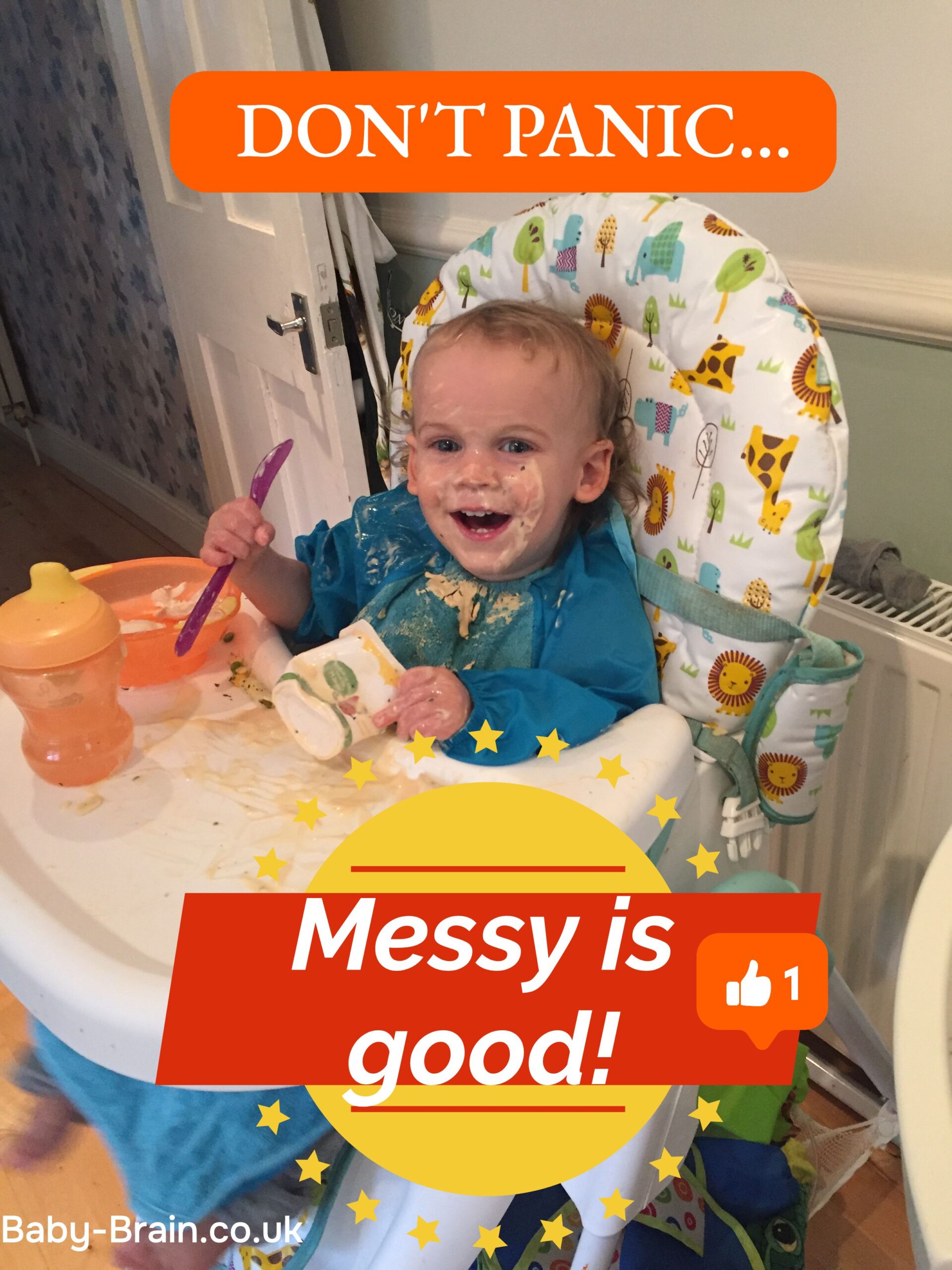
"A messy toddler smiling broadly in a colorful high chair, with oatmeal on their face, bib, and tray. Text overlays read: 'DON'T PANIC...' in an orange box at the top, and 'Messy is good!' in a yellow and red star graphic at the bottom, alongside a thumbs-up '1' notification icon. The URL 'Baby-Brain.co.uk' is in the bottom corner.
This is what active cognitive development looks like in practice. Imperfect, wonderfully messy, and precisely why self-feeding (and the resulting chaos!) is a foundational step for toddler independence and resilience.

***

The next time you feel that familiar pang of guilt because the living room looks like a toy bomb went off, or because you let them watch an extra 20 minutes of TV so you could just sit down and breathe, reframe the moment.

You aren’t failing them. You are letting them experience a normal, imperfect human environment.

The Professional Takeaway: We aren’t aiming for perfection; we are aiming for connection. When you get it wrong—because we all do—the magic happens in the repair. A quick, “I’m sorry I snapped, I was feeling rushed. Let’s hug and try again,” teaches your child more about emotional maturity and resilience than a perfect, temper-free day ever could.

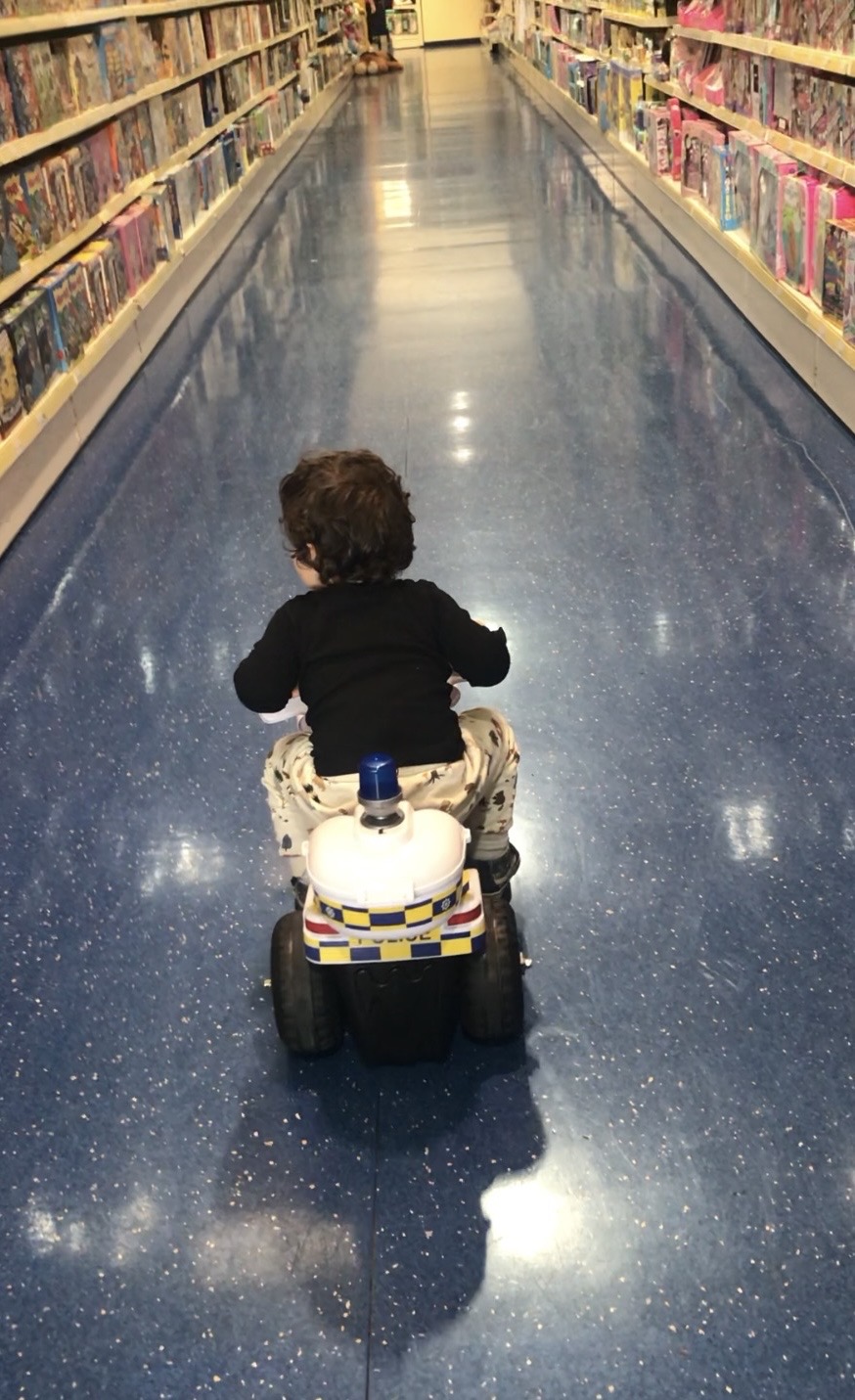
A young child with dark, curly hair seen from behind, riding a small white and blue toy police motorcycle down the long, shiny blue aisle of a toy store, exploring independently
Off on his own adventure. Navigating the world one toy aisle at a time

Share

Inside Activity Ideas for Kids


…Suitable for rainy days, lockdown, isolation with baby, toddlers, preschoolers, infant school age! Oh and for parents to get a bit of peace and quiet while the kids are engaged in their play


As I write this, we are in lockdown. We stay inside, we stay safe, we protect the NHS. We are in the middle of the Coronavirus, Covid-19 pandemic, London, UK.


With a 1, 4 & 6 year old, what can we do with all this inside time? Here’s some activity ideas and things we got up to.


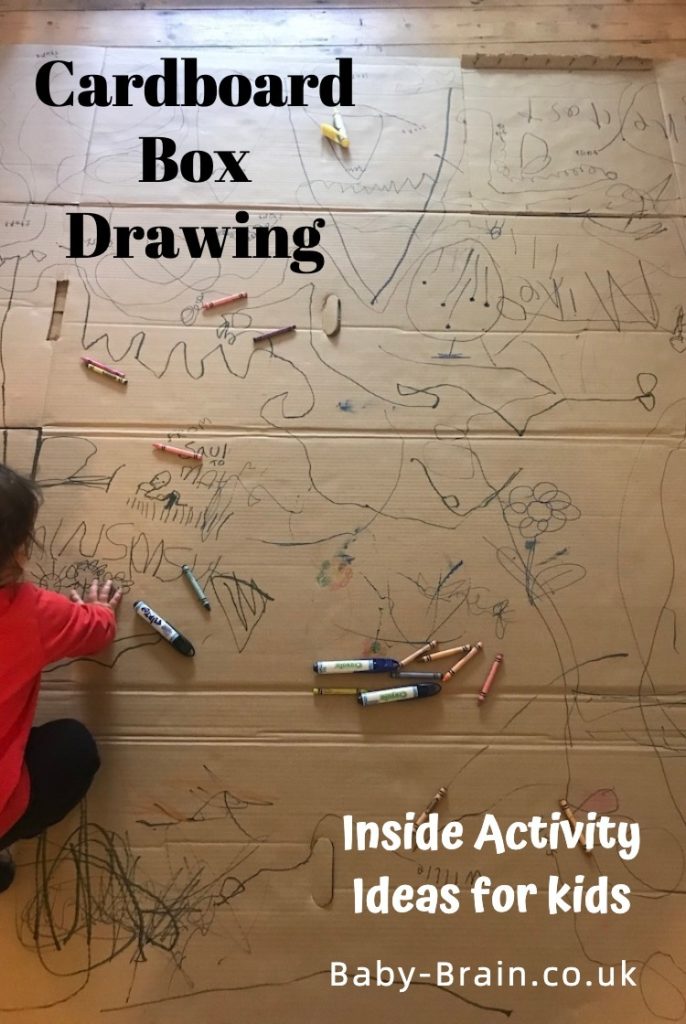
Cardboard box drawing

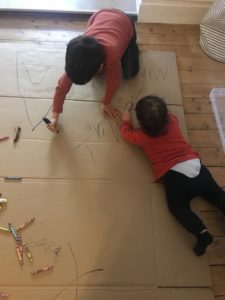
Cardboard box drawing - Inside activities for kids! Rainy day, lockdown, isolation - great play ideas for kids, babies, toddlers, preschool

We’ve all probably had a few deliveries while staying inside! Be it amazon, food, ebay, well whatever we need when we can’t go to the shops and everywhere is closed. We had a lot of cardboard lying around – so we had some fun with it before recycling!


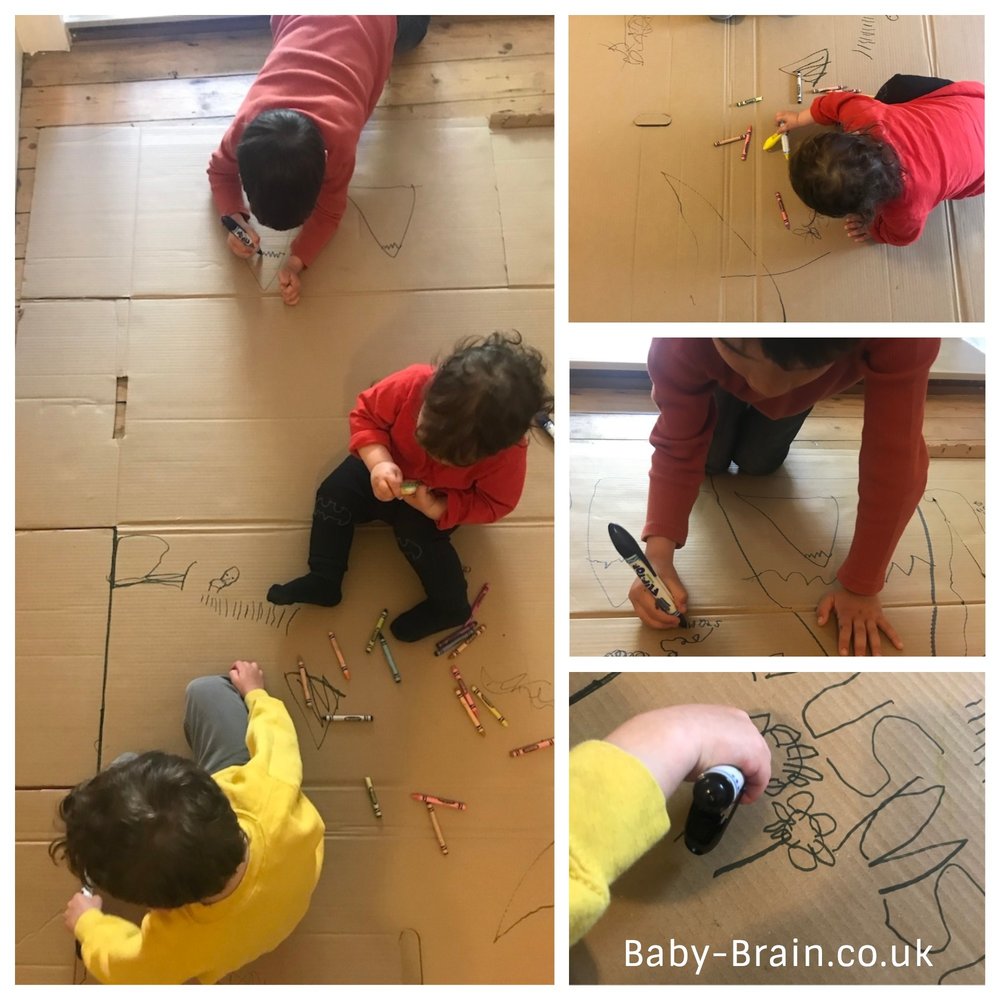
Cardboard box drawing - Inside activities for kids! Rainy day, lockdown, isolation - great play ideas for kids, babies, toddlers, preschool


I love these pictures – it shows them all working together as a team. A great group activity for siblings or friends to get absorbed in. The 6 year old drew a racing track and did some writing. The 4 year old wrote a few number, letters and drew flowers. The 17 month old had fun experimenting with the colours and line making, great for exploration, cause and effect learning, and fine motor skills.


Tunnel Time

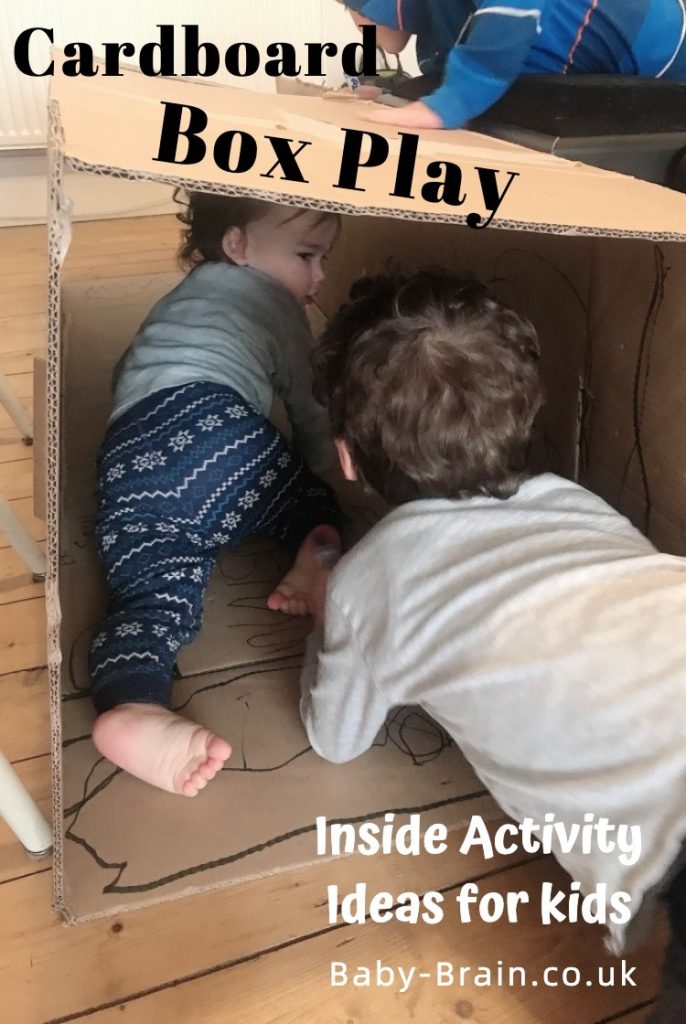
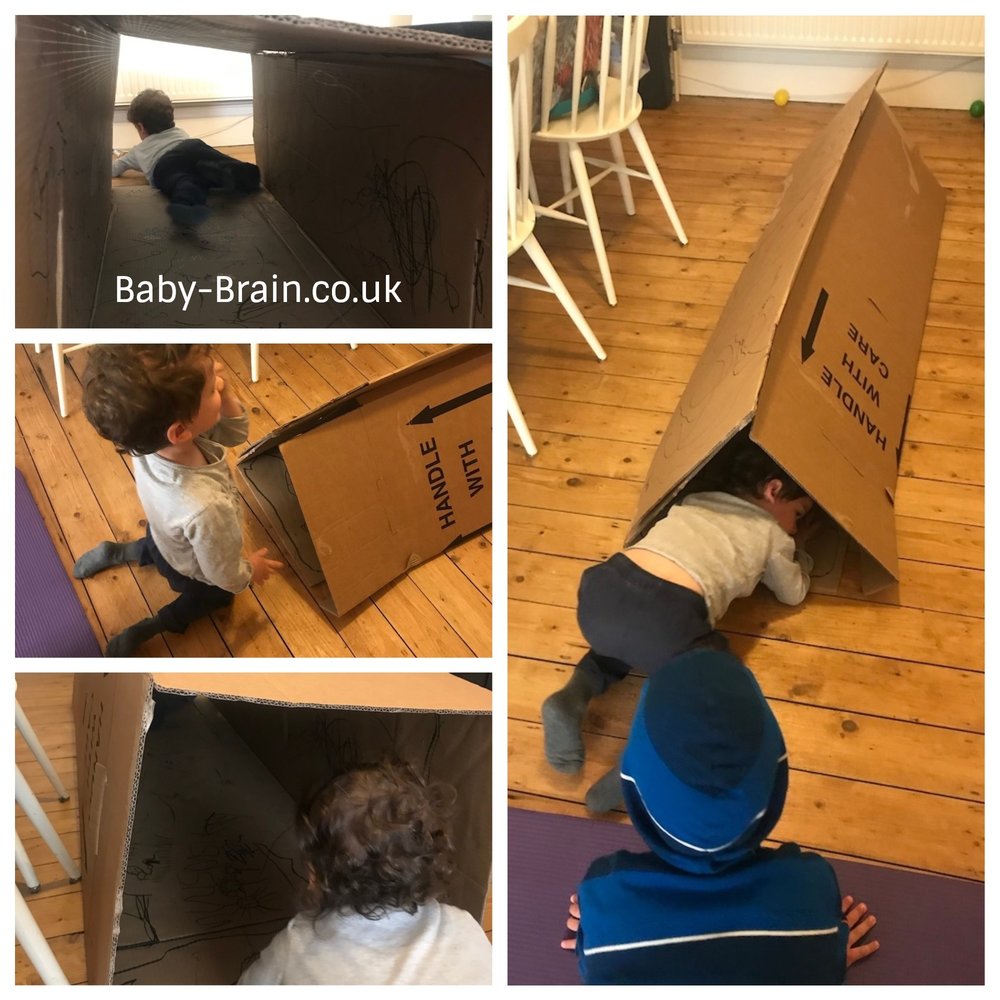
When we’d finished drawing on the cardboard, we made it into a tunnel! They had a lot of fun crawling through and were even able to take turns.

Cardboard box tunnel fun crawling - Inside activities for kids! Rainy day, lockdown, isolation - great play ideas for kids, babies, toddlers, preschool

Cardboard box tunnel fun crawling - Inside activities for kids! Rainy day, lockdown, isolation - great play ideas for kids, babies, toddlers, preschool

SO many things to do with a cardboard box, and it kept them busy for a while. The 4 & 6 year old were able to set it up as a tunnel; they experimented with the shape (square and triangle, as you can see above), and with using a chair to keep the cardboard tunnel in shape. Good experimenting skills, team work and learning guys!

Share

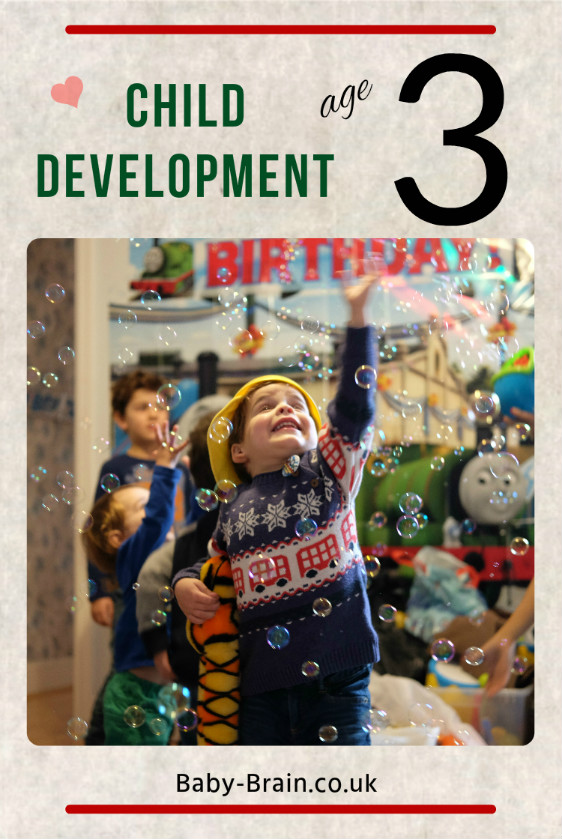
The Preschooler is 3! – child development and milestones at age 3


We are no longer a baby. We are no longer a toddler. I suppose we are now a… preschooler! Yes happy birthday Little Lovely!


What to expect age 3: developments, milestones, psychology, preschooler

Happy Birthday!

What can we expect aged 3? Here’s some areas of development:

(remember, every child develops at their own rate and there will be differences between children)
Language:
  • I’ve noticed his talking really take off; everything is more fluent and we can have near-proper conversations. According to Talking Point, some areas of language development usually present by age 4 are being able to use longer sentences, starting to like simple jokes (we like burps and farts especially), describing events that have happened e.g. “we went beach”, but still making mistakes with tenses e.g. saying “runned for ran”.
Cognitive:
  • We’re enjoying small world play and developing simple story lines and narratives with toys – this sounds fancy but really it just means he’s using one toy (e.g. a Lego car) and pretending that it’s talking to or giving instructions to another toy, following a basic story, e.g. the car is going to the shops. He sometimes uses a different voice to indicate that he’s talking as the car and not as himself. It’s always the same voice he uses and has not experimented with different pitches, genders, ages, volume etc
  • Other areas of cognitive development according to CDC (centers for disease control and prevention) include this “make-believe” play with dolls, animals and people, doing a 3 or 4 piece puzzle, building towers of more than 6 blocks (read more here)
  • Social cognition and Theory of Mind – understanding that other people possess a mind and beginning to understand the minds of others – that they think, feel and perceive and these might be different thoughts, feelings, perceptions to our own. This is constantly developing in the early years; 3 year olds ,might talk about what other people think (Bartsch & Wellman, 1995*) but at age 3 the development of ToM has further to go…
Motor skills:
  • According to this great timeline of development from the NHS, at aged 3-4 years children start to draw people! Can’t wait… I’ve noticed him starting to colour in specific areas of a picture (e.g. the eyes) rather than general scribbles and colouring
  • Starts using a knife and fork (age 3-5; NHS timeline, link above)


*Bartsch, K & Wellman, H. M (1995). Children talk about the mind. New York, NY: Oxford University Press

Share